Harbour mornings
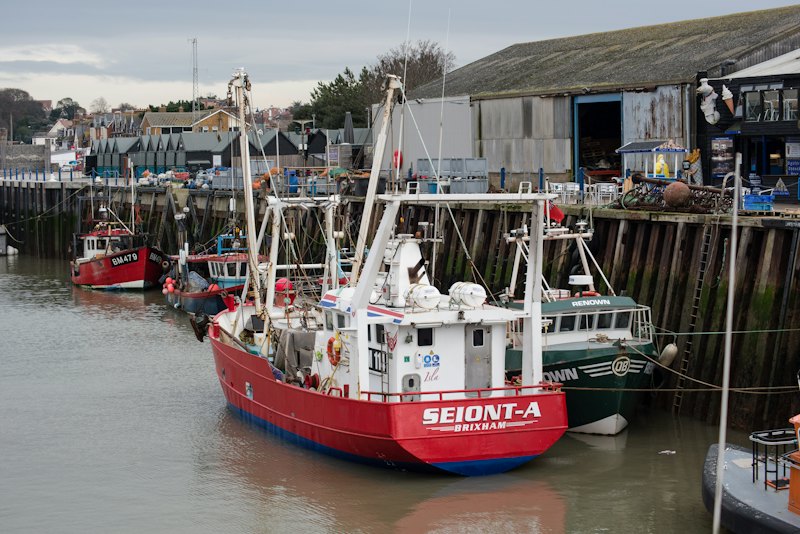
The boats leave on the morning tide, so the quay is busiest just before low water. By the time I arrived the red trawler was the only one still moored, sitting on the mud with its lines slack.
Notes from each walk, roughly in the order they happened.
The boats leave on the morning tide, so the quay is busiest just before low water. By the time I arrived the red trawler was the only one still moored, sitting on the mud with its lines slack.
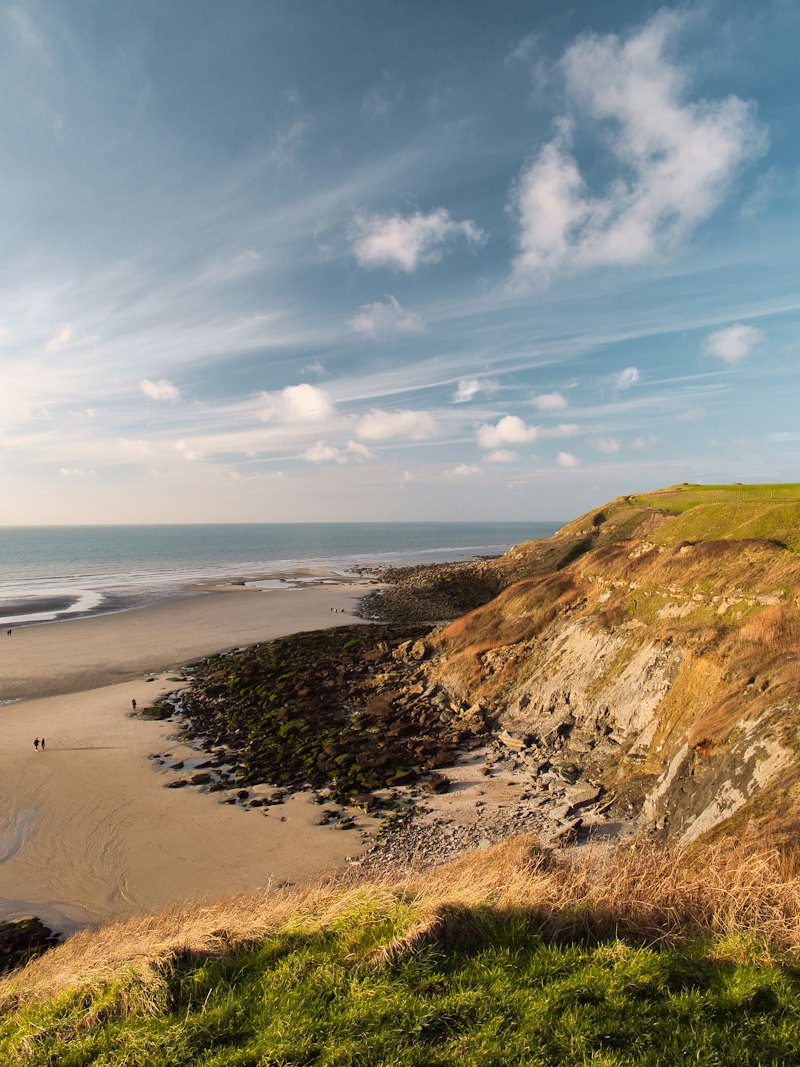
The coastal path from Audresselles climbs gently through fields before dropping to the shore below the headland. At low water you can walk the rocky ledges for most of the way; at high water you stay on the path.
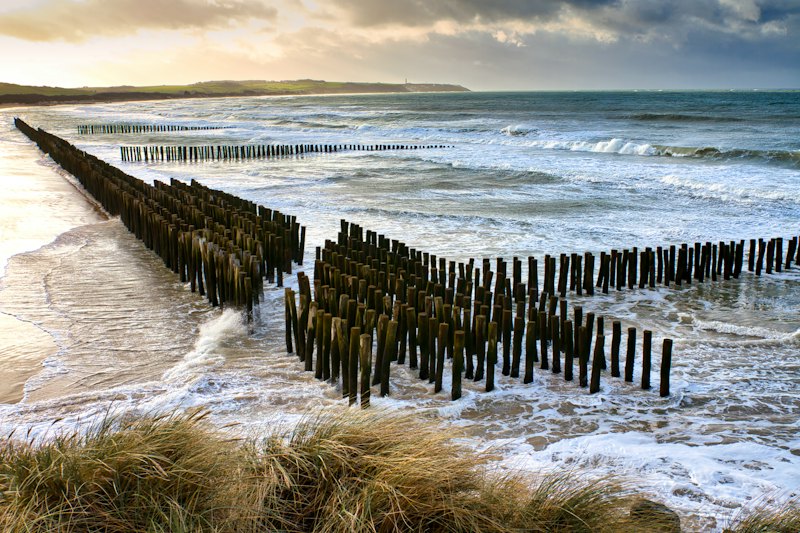
The channel empties almost completely at spring tide. I walked the east jetty at 7:40, just before sunrise; the sand ripples catch the first light for about ten minutes and then flatten out visually.
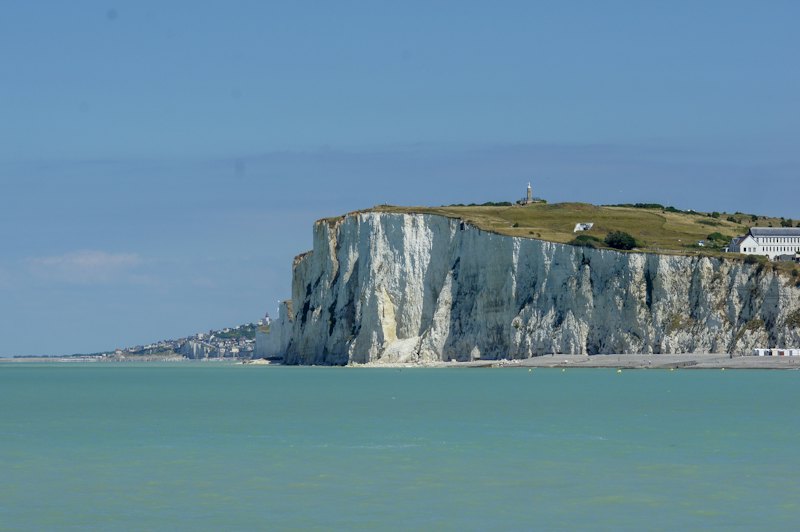
The chalk is at its brightest in low autumn sun, when the cliffs face the light almost straight on. From the beach at low water the scale is hard to believe — the people on top look like ants.
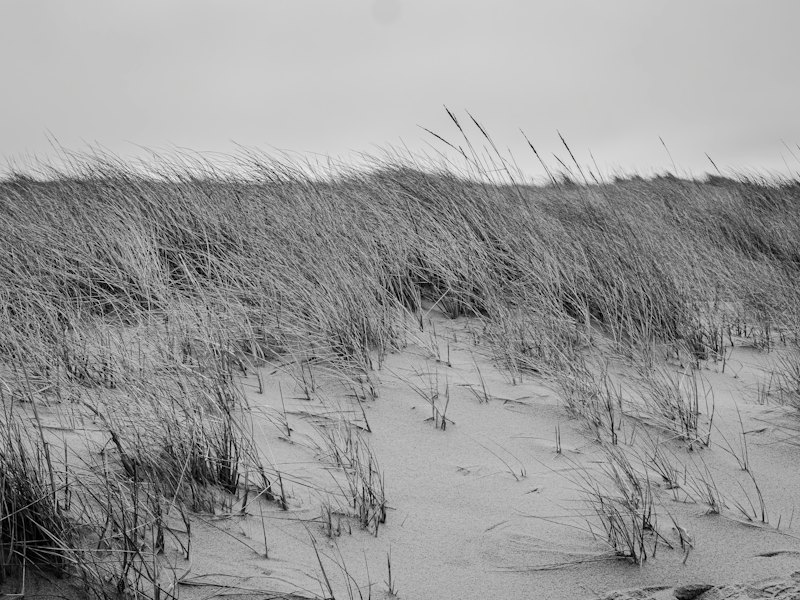
Two days of westerly wind reshaped the small dunes between Gravelines and Oye-Plage. The fences are half buried and the marram grass lies flat, all pointing the same way like combed hair.
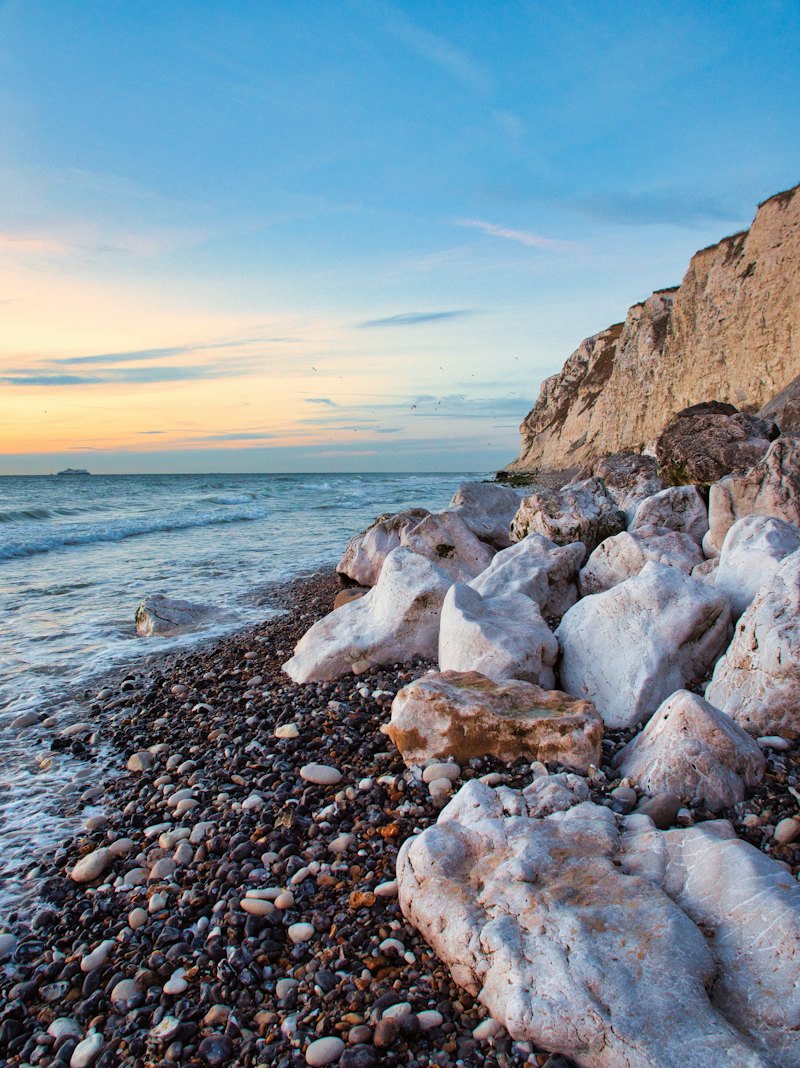
Fallen blocks of chalk lie at the foot of the cliffs, rounded by the sea into shapes that look almost soft. Between them the beach is all flint pebbles, dark and shiny when wet.
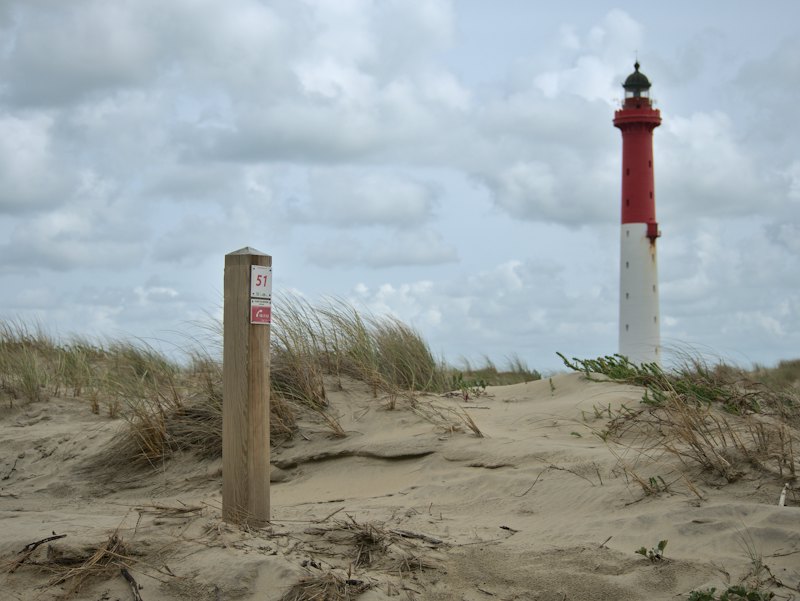
Lighthouses are easy to photograph badly. The tower on its own, centred, under a blue sky — I have dozens of those and none of them say anything.